
12 best Apollo.io alternatives to fill your pipeline in 2026

30-second quiz
Which Apollo alternative fits your team?
Three questions, one recommendation, no email address required.
Apollo sells two things in one subscription: a contact database, and the sequencer to work it. That bundle is why most small sales teams start there. It's also why they leave.
We put twelve alternatives through the same two-week test with a simulated three-person team and one shared list. Here's what held up, what didn't, and what each one costs once the credits run out.
Your list isn't too small. It's too cold. Gojiberry finds the accounts moving this week and writes to them first.
Try Gojiberry freeTable of contents
- The 12 alternatives
- How we tested the tools
- The 12 best Apollo alternatives in 2026
- Apollo.io: what it is ?
- Why teams start shopping around
- Which alternative fits your team
- Gojiberry vs Apollo
- Which customer support is the best?
- The cost math for a 3-rep team
- Where Gojiberry came from
- Frequently asked questions
The 12 alternatives
Prices below are entry points, not what you'll pay at volume. Read the cost math section before you build a budget on them.
How we tested the tools
Test protocol
We ran each tool for ten working days between May and July 2026, with a simulated three-person sales team working the same list of 400 prospects: French and German SaaS companies between 20 and 200 employees, with the same offer and the same three message angles throughout. Every tool got the same job, which was to take that list from raw to first reply.
Four things were scored: how long setup took before the first message went out, how many contacts survived a manual ICP check, the bounce rate across the first 200 sends, and how quickly support answered a real question from a paying account. We paid for every plan ourselves, no vendor saw this article before publication, and Gojiberry is our own product, so read that section as informed rather than neutral.
Here are the three numbers we could measure the same way across all twelve. Support response times sit in their own section further down.
Two patterns are worth naming. The tools that were fastest to set up were also the ones that produced the least usable data, because a forty-minute setup means nobody asked you what a good account looks like. And the bounce rate spread, from 1.1% to 4.2%, is wide enough to change your sender reputation within a single campaign.
The 12 best Apollo alternatives in 2026
Ranked by how well they solve a real Apollo problem, not by database size. Gojiberry is first because it's ours and because the intent gap is the one we hear about most, and the eleven below it are ordered by how often they turned out to be the right answer.
1. Gojiberry.ai
Apollo answers the question how do I reach this person. It has no strong opinion about whether you should be reaching them today. That's the gap Gojiberry fills, and it's the reason most people who leave Apollo aren't looking for a bigger database at all.
Gojiberry is an AI-powered multichannel prospecting platform that tracks more than 30 buying intent signals across socials and the web, surfaces the leads who are actively searching right now, and triggers personalized outreach on several channels. A funding round, a new VP hire, a hiring sprint on a team you sell to, a visible change in the tech stack: each of those is a reason to write today rather than in four months.
The practical difference shows up in the shape of the day. Instead of a rep opening a list of 400 exported names and working down it, the rep opens a queue of eleven accounts that moved this week, with the reason attached to each one. Wispra now sources 60% of its weekly demos from intent signals rather than cold lists, and the Wispra case study shows the before and after.
What you can automate with it:
- 🔔Signal tracking: more than 30 triggers watched continuously across socials and the open web. You pick which ones matter for your offer.
- 🎯ICP filtering: every account that fires a signal gets checked against your criteria before it reaches a rep. In our test, 84% of what reached the queue passed a manual review.
- 📝Copy from the trigger: the first line references the event that fired, not the prospect's job title. That's what stops it reading like a template.
- 🔁Multichannel sequences: the follow-up runs across email and socials from one setup, so you're not stitching two subscriptions together.
- 📊CRM sync: accounts, signals and replies land in HubSpot, Salesforce or Pipedrive without an export step.
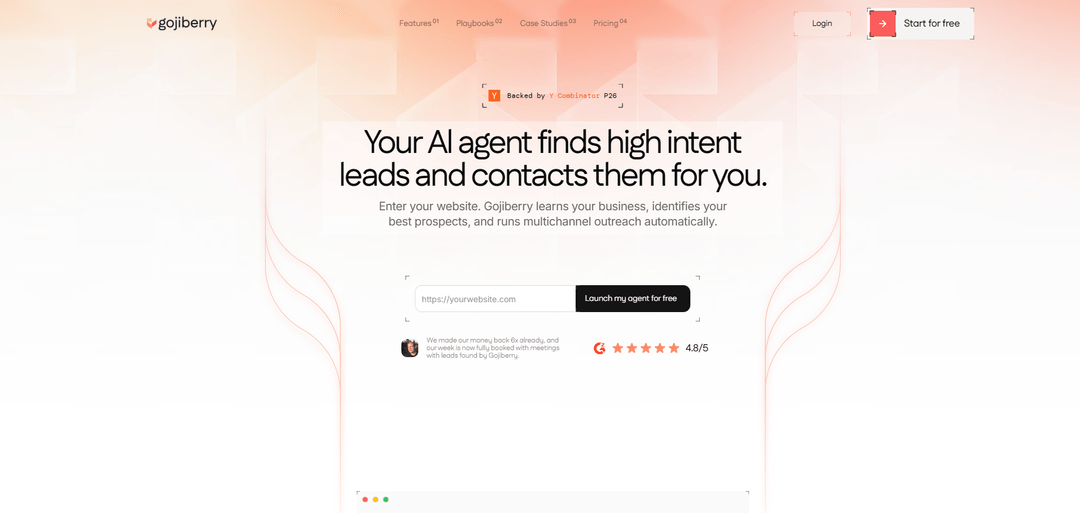
Pricing starts at a free plan you can run a first campaign on. The paid tier is $99 a month and includes 2 social senders, which covers a team of two to ten working a shared pipeline. It's priced per workspace rather than per seat, so adding a third rep doesn't change the invoice.
The verdict: this isn't a database replacement, and pretending otherwise would be dishonest. If your list is thin, buy data. If your list is long and cold, a signal layer is the cheaper fix, and it's the one that moves reply rate rather than volume.
2. Cognism
If you're leaving Apollo because your European mobiles don't connect, Cognism is the direct upgrade. Its Diamond Data program puts a human on the number before it reaches you, which is a different promise from an algorithmic confidence score.
Coverage in continental Europe is where the gap with Apollo is widest. DACH, the Nordics and France are all noticeably deeper, and the GDPR and DNC screening runs inside the workflow rather than as a report you pull afterwards.
What it does for a calling team:
- 📞Phone-verified mobiles: numbers are dialled and confirmed before they land in your list. Connect rates move because of this, not because of the database size.
- 🌍EMEA depth: the coverage holds up outside the UK, which is where most US-built databases thin out.
- 🔒Compliance screening: DNC lists and GDPR checks are applied at the point of export.
- 📈Intent feeds: Bombora-powered topic intent is available on the higher tiers, useful for account prioritization.
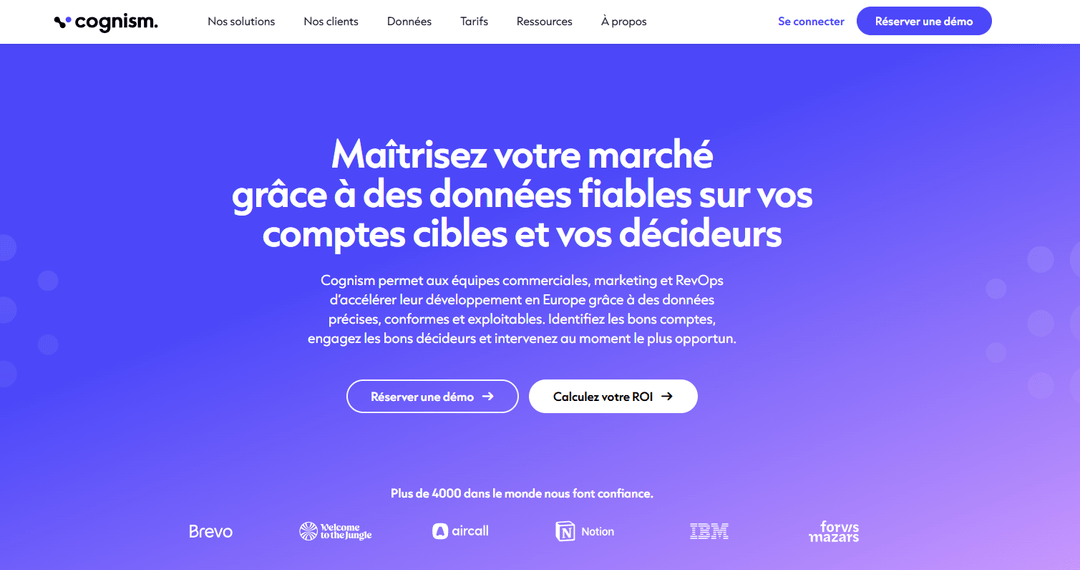
Cognism doesn't publish prices. Expect a custom annual quote in the mid-market range, with the number driven by seats and export volume rather than by feature tiers. Ask for the per-record cost rather than the headline, and don't buy twelve months of credits you can't work through.
The verdict: the strongest data on this list for phone-first teams in Europe, and the least transparent to buy. If nobody on your team is dialling, you're paying for the part that makes it expensive.
3. Clay
Clay isn't an Apollo replacement and doesn't try to be. It's the layer that sits above every data vendor you already use, and it changes how much you pay for coverage.
Instead of trusting one database, Clay waterfalls a request across a hundred providers until something verified comes back. Clearbit misses, Hunter tries, then Findymail, then Prospeo. You pay for the hit, not for the attempt, which is why the cost per enriched contact drops so sharply at volume.
What you can build with it:
- 🧩Waterfall enrichment: order your providers cheapest first and let expensive ones catch only what the others miss.
- 🔍Claygent research: the agent reads a company site, pulls recent news and drafts an opening line per row.
- 📁List building from anywhere: a CSV, a scrape or a CRM view all become the same working table.
- 🔗Push to your sequencer: the finished rows go straight into Instantly, lemlist or your CRM.
The free plan is enough to learn the mechanics. Paid starts at $149 a month on a credit model, and the credits are the real budget line. Test any new table on fifty rows before you point it at ten thousand, because a badly ordered waterfall burns money fast.
The verdict: the best personalization engine here, and the slowest to learn. It took us six hours and forty minutes to get to a first send, against a bit over an hour for the simplest tools. That investment pays back for teams with someone who enjoys process design, and it strands teams that don't.
4. Instantly
If cold email volume is your playbook and Apollo's credit meter is what stops you, Instantly is the cheapest way out. Unlimited connected inboxes and unlimited warmup for $30 a month is the most aggressive price-to-capacity ratio on this list.
It won't source contacts for you at the same quality, and the built-in lead database is a convenience rather than a reason to buy. The reason to buy is the sending infrastructure.
What it handles:
- 📬Inbox rotation: spread a campaign across dozens of mailboxes and several domains so no single sender carries the load.
- 🔥Automated warmup: new mailboxes build reputation before they carry real volume. Give it two to three weeks.
- 🧪Split testing: run variants against each other and let the winner take the remaining volume.
- 📊Campaign analytics: reply and bounce tracking per mailbox, which is how you catch a domain going bad early.
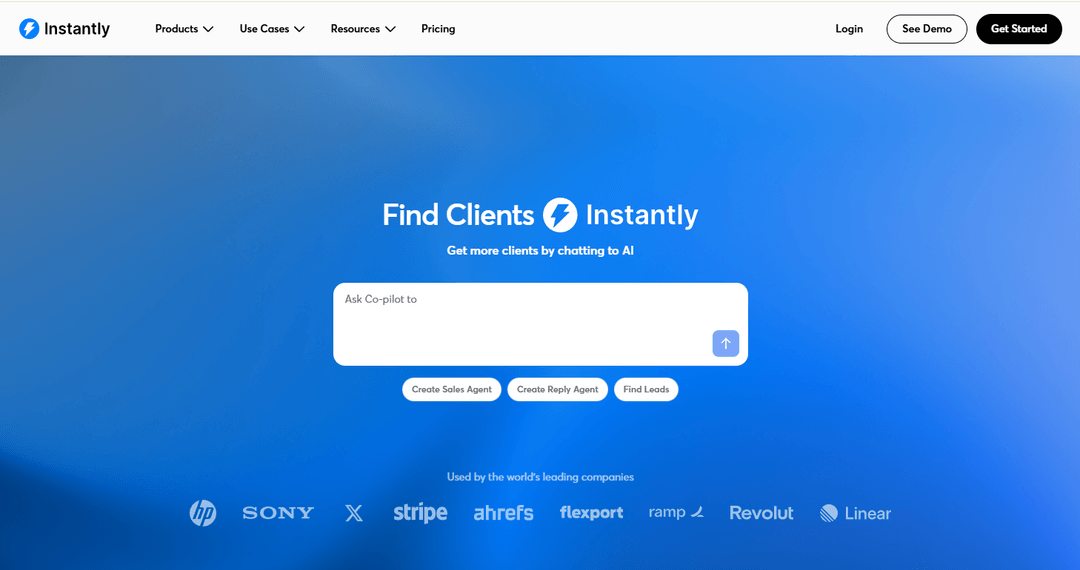
Growth starts at $30 a month and the lead database is a separate add-on. Nothing here is charged per seat, so a three-person team pays the same as a solo founder. That's the structural saving against Apollo, where every rep is another $49 to $119.
The verdict: buy it for the sending, not the data. Our bounce rate on Instantly's own database was the second highest we recorded at 3.6%, and the fix is a verification pass before import rather than a different sending tool.
5. ZoomInfo SalesOS
ZoomInfo is what Apollo scales into when the org gets big enough to need an admin. The database is the largest in the market, the org charts are the best documented, and the Bombora intent feed earns its keep when you're running account-based plays across hundreds of targets.
The price is the whole story, though. Contracts usually open around $15,000 a year and run to $50,000 or more, on rigid annual terms with a real implementation project attached.
What the money buys:
- 📚Database depth: the widest firmographic and technographic coverage available, particularly in North America.
- 📈Bombora intent: third-party topic intent at account level, which is what most enterprise ABM programs are built on.
- 🏢Org charts: reporting lines mapped, so multi-threading a large account stops being guesswork.
- 🎧Conversation intelligence: Chorus is bundled on the higher tiers, replacing a separate line item.
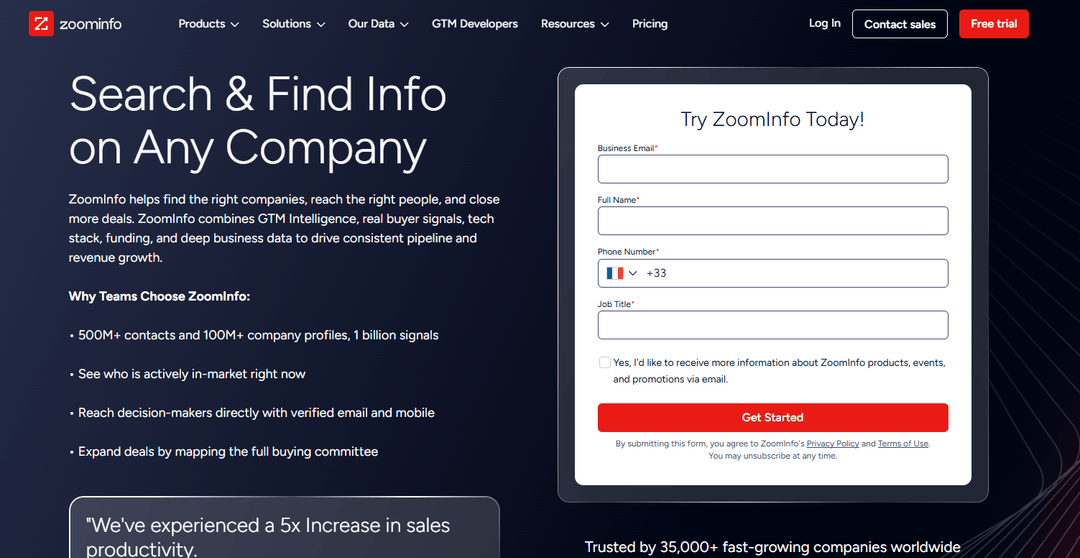
Everything is a custom annual contract, and prepared buyers routinely negotiate 30% to 40% off the opening quote. Ask for a thirty-day pilot with your own reps before signing, because the demo environment is always cleaner than the account you'll actually get.
The verdict: correct for 20+ reps with an ops function, wrong for anyone smaller. A team of three will pay enterprise money for a platform nobody has time to administer. Start with Cognism or Apollo and revisit this in two years.
The list isn't the problem. The timing is.
Gojiberry watches 30+ buying signals across socials and the web, tells you which accounts moved this week, and writes to them before your competitors notice.
See it on your ICP6. Lusha
Lusha does one job with almost no friction. You're looking at a prospect's profile, you click the extension, and a verified mobile and work email appear. No export, no list, no workflow.
For reps who prospect one account at a time, that speed beats any batch process. It's also why Lusha stops being enough the moment you need to work four hundred names a month.
What it covers:
- 🔍Instant reveal: contact data surfaces on the profile you're already reading, in two clicks.
- 🇪🇺Compliance posture: GDPR handling is a documented part of the product rather than an afterthought.
- 🔄CRM enrichment: revealed contacts push into HubSpot, Salesforce or Pipedrive without a CSV step.
- 👥Team usage view: admins can see who's burning credits and reallocate them.
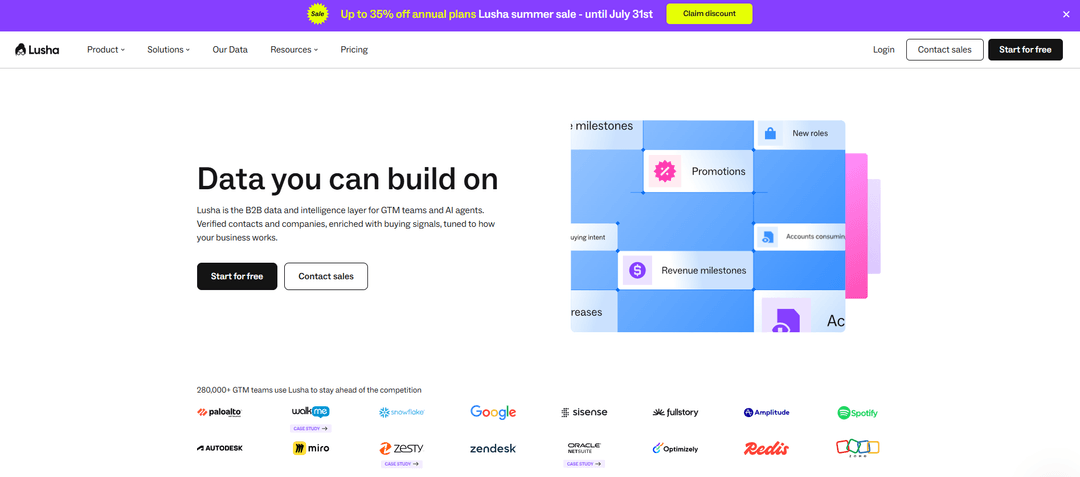
The free plan gives you 70 credits a month. Paid starts around $29.90 a month on the entry credit tier, with Premium from $69.90. The detail that matters: a phone reveal costs 10 credits, so a 250-credit plan is 25 phone numbers, not 250. Check the current slider before you budget.
The verdict: the fastest lookup tool here and the one most likely to surprise you on the invoice. We ranked its own field separately in the Lusha alternatives comparison. Pair it with something that does sequencing, or you'll pay for two tools and get one workflow.
7. Hunter.io
Hunter does email and nothing else, which is why it's still on this list after a decade. Give it a domain and it returns the address pattern plus the individual addresses it can verify.
Its more useful role is as a verification pass on data you bought somewhere else. Running any list through Hunter before a send catches the stale addresses that otherwise become bounces and damage your sender reputation.
What it's good for:
- 📧Domain search: the email format for a company plus the addresses Hunter can confirm.
- 🧪Bulk verification: upload a list, get a confidence score per address, drop the risky ones before sending.
- 🔧API access: the verification step drops into an existing pipeline without a person in the loop.
- 📬Basic campaigns: light sequencing is included, enough for a founder writing fifty emails a week.
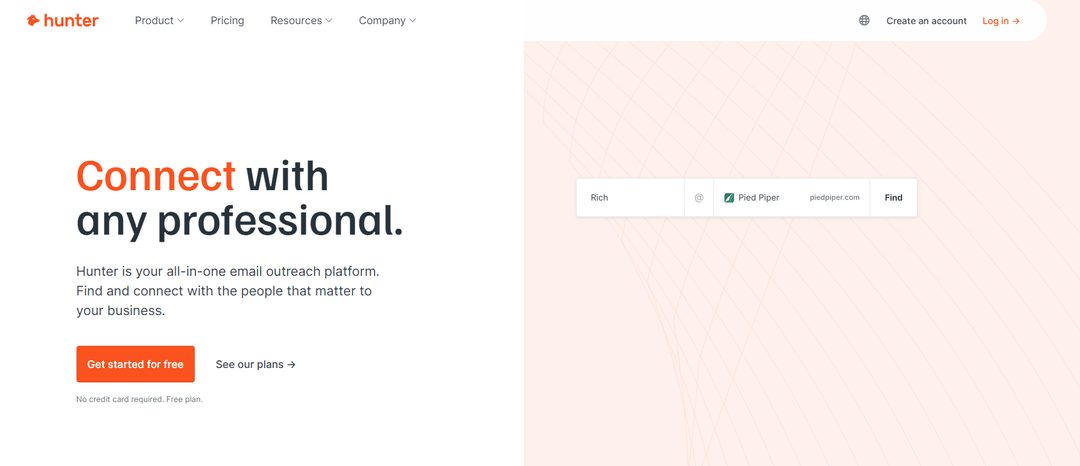
The free plan covers 25 searches a month, which suits a small team writing to companies it already knows. Paid starts at $49 a month. Against Apollo's credit model, it's cheap, and it does a fraction of the job.
The verdict: not an Apollo replacement, and the single most useful line item in a stack that has bounce problems. Our bounce rate on Hunter-verified sends was 1.6%, the second lowest we measured.
8. Saleshandy
Saleshandy's pitch is breadth at a low price: an 852M contact database with verification built in, plus sequencing, for $39 a month. That's a larger claimed database than Apollo's at a fraction of the entry cost.
The trade-off shows up in what survives contact with reality. Of the contacts we pulled from Saleshandy, 54% passed a manual ICP check, the lowest figure in our test, and the bounce rate on the first 200 sends was 4.2%.
What you get:
- 📚Database breadth: wide coverage, including markets where more expensive vendors are thin.
- 🧪Real-time verification: addresses are checked at reveal, and you should still verify before sending.
- 📬Inbox rotation: included rather than sold as an add-on, which matters at volume.
- 🔄CRM sync: HubSpot and Salesforce connections come with the base plan.
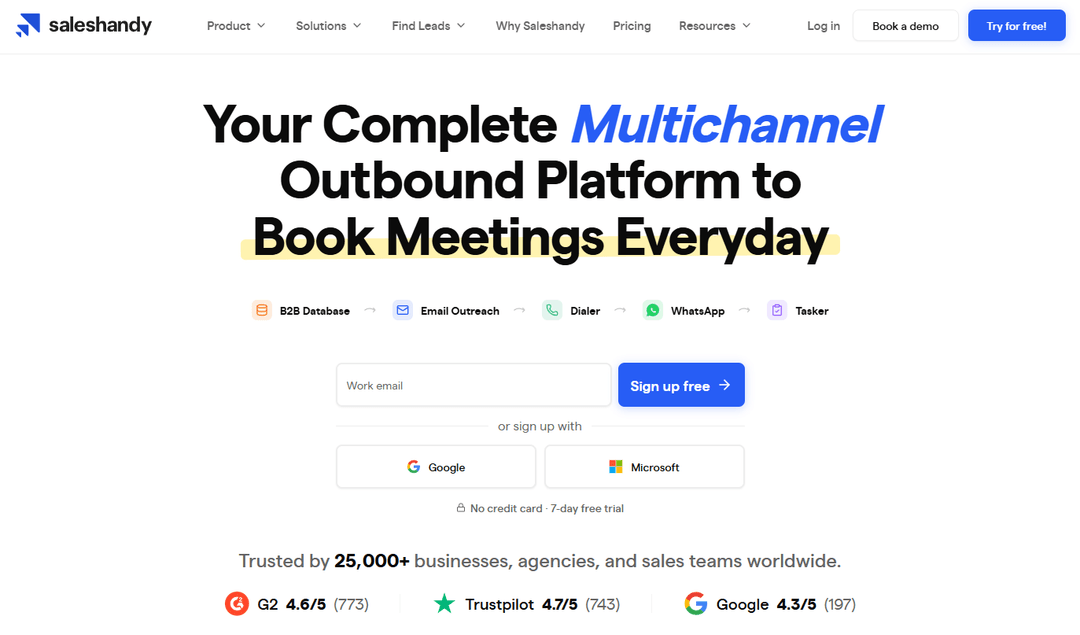
Outreach Starter is $39 a month and the database is a separate line. For a team of three that would otherwise pay $147 a month for Apollo Basic seats, the gap is real. Spend part of it on a verification tool.
The verdict: the best price-per-contact on this list, and the one that needs the most cleaning. If you have the discipline to verify before every send, the maths works. If you don't, the bounce rate will find you.
9. LeadIQ
LeadIQ is built around the way SDRs work a named account list rather than around database search. You capture contacts from a profile, and the platform tells you when something changes at those accounts.
That trigger layer is the reason to pick it over a pure enrichment tool. A new VP of Sales, a funding round or a job posting on a team you sell to all raise an alert, and the AI writer drafts the outreach around that event.
What it automates:
- 🔔Trigger alerts: job changes, funding and hiring tracked across the accounts you've saved.
- 📝Trigger-aware copy: drafts reference what happened rather than a generic value proposition.
- 🧪Verification at capture: addresses are checked as they're captured, which kept our bounce rate at 2.2%.
- 🔄Salesforce and Outreach sync: the capture lands in the systems reps already live in.
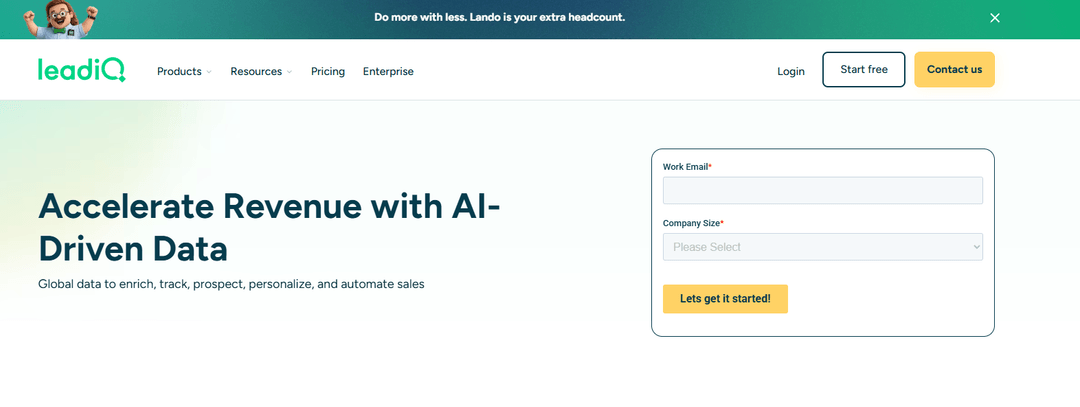
There's a limited free tier, and paid starts at $75 a month. Mobile credits are capped even on the paid plans, so a phone-first team will need Cognism or Kaspr underneath.
The verdict: a good fit for a team of two to ten working fifty named accounts rather than a wide funnel. The signals are narrower than Gojiberry's and they're real, and the outreach still runs manually.
10. lemlist
lemlist bet early on the idea that a cold email can look like it was made for one person. Dynamic images, video thumbnails and liquid syntax let you build a template that doesn't read as one.
The deliverability side is the quieter reason it works. lemwarm has been running long enough to be boring, which is what you want from a warmup tool.
What it does differently:
- 🎨Image personalization: a screenshot, a logo or a badge rendered per recipient inside the email body.
- 🔥lemwarm: domain warmup that runs continuously rather than as a one-off before launch.
- 🔁Multichannel steps: email, calls and social touches sequenced in one campaign.
- 📝Liquid syntax: conditional copy blocks, so one campaign can address three segments properly.
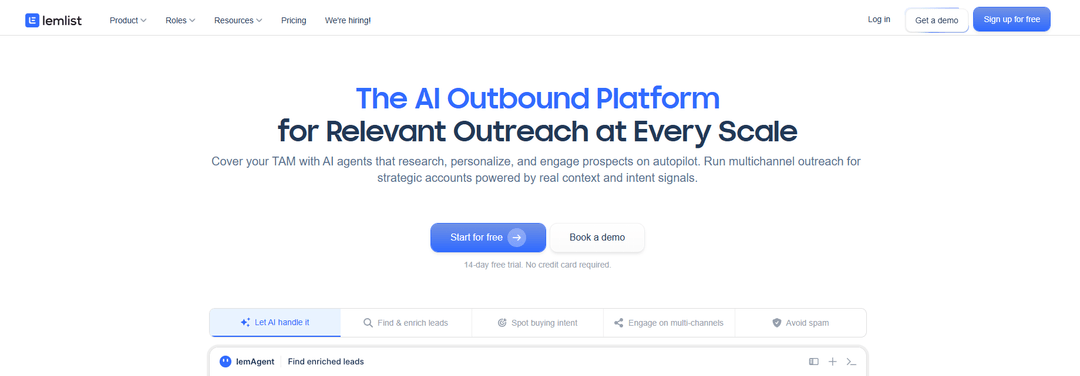
The extension is free, and paid plans start at $55 per user per month. That per-user model is the thing to watch: at three reps you're at $165 a month, which is above Apollo Basic for a narrower job.
The verdict: worth it when your ICP is over-emailed and generic copy has stopped working. Not worth it as a general-purpose sequencer, where cheaper tools do the same job.
11. Reply.io
Reply.io is the pragmatic multichannel option. Email, calls, SMS and social touches sit in the same sequence, and the browser extension lets a rep add someone to a campaign without leaving the profile they're reading.
Warmup and deliverability tooling are included rather than sold separately, which removes a line item that Apollo users usually pay elsewhere.
What it covers:
- 🔁Multichannel sequences: four channels in one flow, with conditional branches on reply.
- 🔥Included warmup: no separate subscription to keep the domain healthy.
- 🤖Optional AI SDR: a low-commitment way to test autonomous outreach on a slice of the list.
- 🔄CRM integrations: two-way sync with the usual suspects, plus a workable API.
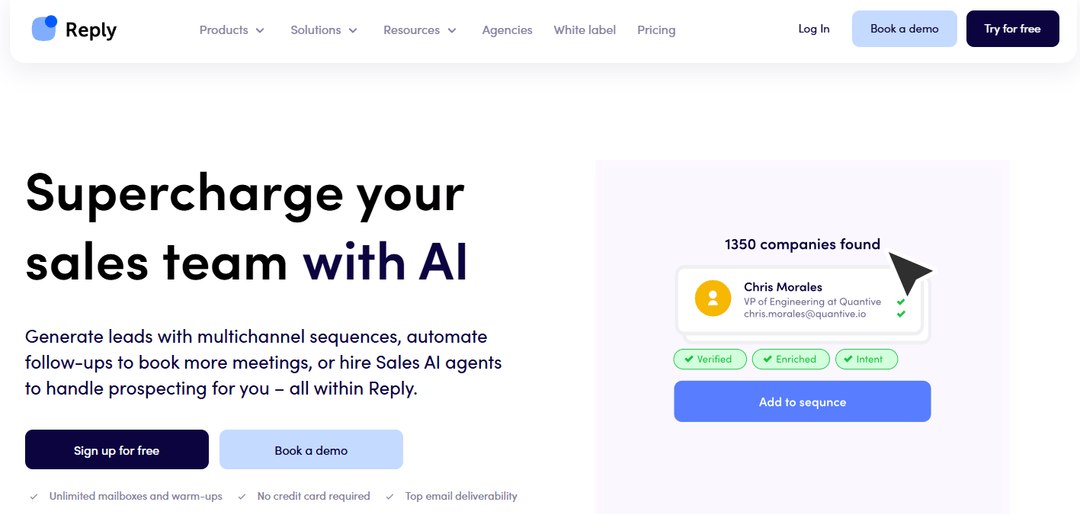
Paid plans start at $59 per user per month. For a three-person team that's $177 a month, more than Apollo Basic and less than most enterprise options. Data credits are a separate consideration.
The verdict: a clean execution platform for teams that already have their contacts. It won't fix a targeting problem, and it will make a multichannel playbook easier to run than Apollo does.
12. Kaspr
Kaspr is the European answer to the browser-extension pattern. It reads the profile you're viewing on LinkedIn and returns a verified mobile and email, with data coverage tuned to continental Europe.
For French, Belgian and German prospecting it holds up better than most US-built alternatives at the same price, and the GDPR posture is documented rather than implied.
What it's good at:
- 🇪🇺European coverage: the reason to choose it over an equivalent US tool at the same price.
- 🔍Profile-level reveal: data appears where the rep is already working, with no export step.
- 🔄CRM sync: HubSpot, Salesforce, Pipedrive and Lemlist connections included.
- 👥Credit management: admins allocate credits per rep, which stops one person draining the pool.
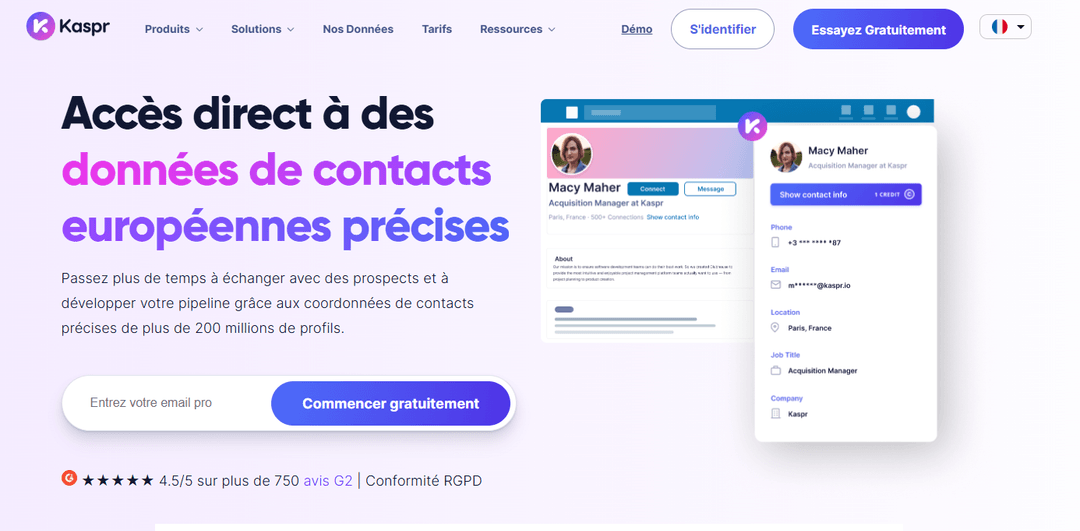
There's a free tier with a handful of credits and paid plans from $65 a month. It's the fastest tool here to set up, at forty minutes from signup to first message in our test.
The verdict: a sharp enrichment tool with no ambition to be a platform. It solves the data half of the problem for European teams and leaves the sending half to something else.
Apollo.io: what it is ?
Apollo.io is a sales intelligence platform built around a 275M+ contact database, with email sequencing, a dialer and basic intent filtering layered on top. It's the default first tool for a lot of SMB sales teams, and it earned that position: the free plan is usable, the self-serve checkout has no sales call attached, and one subscription covers data and outreach.
The friction starts when outbound becomes a habit rather than an experiment. Credits are the mechanism: an export costs credits, a mobile reveal costs more, and the plan you picked in month one stops covering month four.
What Apollo does well
- One subscription covers the database and the sequencing, which keeps the stack simple
- The free plan is real enough to evaluate the data before paying
- Self-serve pricing published openly, no procurement dance to get a number
- North American coverage is deep and the filters are precise
- A 4.7 out of 5 average across more than 9,400 G2 reviews is not an accident
Where it breaks
- Credits run out mid-cycle and top-ups turn a $49 seat into something else entirely
- European, APAC and LATAM mobile accuracy is uneven rather than uniformly bad
- No native outreach on social channels, so multichannel means a second tool
- The interface has grown faster than it has been redesigned
- Per-seat pricing means every new rep is another $49 to $119 a month
What Apollo costs in 2026
Four tiers. Free, Basic at $49 per user per month on annual billing, Professional at $79, and Organization at $119 with a three-seat minimum. Pay monthly and those become roughly $59, $99 and $149. The published numbers live on the Apollo pricing page and they've held steady through 2026.
Credits are the part that moves. Basic includes 75 mobile credits and 1,000 export credits a month, Professional doubles the exports to 2,000 and gives you 100 mobile credits. A rep working the phone will clear 100 mobile credits inside two weeks, and top-ups run around $0.20 each. That's the mechanism behind every complaint about surprise Apollo invoices.
What reviewers say
The scores are good and the complaints are consistent. Apollo sits at 4.7 out of 5 across more than 9,400 G2 reviews, which puts it near the top of its category. The recurring criticisms in those reviews aren't about the product being bad, they're about the gap between the sticker price and the invoice, and about data accuracy outside North America.
That's a useful signal for a buyer. It means the question to ask isn't whether Apollo works, it's whether the specific thing it does badly is the thing your team needs most.
Why teams start shopping around
Four reasons come up over and over. They're not equally serious, and the one that applies to you determines which half of this list you should be reading.
Credits that outrun the budget
Apollo charges per export and per mobile reveal. A team of three doing real volume finds the plan they picked in January stops covering March, and top-ups arrive without a conversation.
Data that thins out past the Atlantic
North American coverage is strong. European, APAC and LATAM mobiles are inconsistent, which shows up as a connect rate problem rather than an obvious data problem.
No outreach on social channels
Email and calls are covered. Social outreach needs a second subscription, which undoes the main argument for buying an all-in-one platform.
A list that's long and cold
The deepest complaint, and the one nobody puts in a support ticket. Filters tell you who fits your ICP. They don't tell you who's in the market this month.
Which alternative fits your team
Diagnose before you shortlist. The wrong tool bought for the right reason still wastes a quarter.
- 📞You call, and European mobiles don't connect: Cognism first, Kaspr if the budget is tighter. Both fix the number, neither fixes the targeting.
- 💰Credits are the constraint, not coverage: Instantly for sending plus Hunter.io for verification. Roughly $80 a month for a team of three, against $147 on Apollo Basic seats.
- 🎨Your copy is generic and replies have flattened: lemlist if the fix is creative, Clay if the fix is research depth.
- 🎯You have plenty of contacts and too few conversations: Gojiberry for continuous signal tracking, LeadIQ if you'd rather work a fixed list of named accounts.
- 📚You're past twenty reps with an ops function: ZoomInfo, and negotiate hard. Below that headcount the maths doesn't close.
- 🔁You need four channels in one sequence: Reply.io for manual execution, Gojiberry if you want the sequence triggered by a signal rather than by a rep.
Whichever way you go, run a two-week parallel pilot before you cancel anything. Two reps, one measurable goal, the same list on both tools. A demo environment is always cleaner than the account you'll be given.
If what you actually want is an agent that runs the motion instead of a rep, that's a different shortlist, and we built it in the 11x alternatives comparison. For the social prospecting side, the LeadIn alternatives guide covers it.
Gojiberry vs Apollo
These two tools answer different questions, which is why the comparison is more useful than a feature count.
Apollo optimizes for coverage. Give it a filter and it returns everyone who matches. Gojiberry optimizes for timing. It watches for the moment an account starts behaving like a buyer, then writes about that moment. If you're contacting a thousand cold names to book eight meetings, the fix isn't two thousand names.
Four teams that made that shift, with the numbers they reported afterwards:
GTE Localize
100+ meetings booked after moving from email outbound to intent-based outreach.
Read the case studyBaur Software
Network doubled by scaling authentic outreach instead of raw volume.
Read the case studyWhich customer support is the best?
We sent every vendor the same question from a paying account: a specific setup problem with a clear answer, worded the way a customer would word it. The clock started at send and stopped at the first human reply. Automated acknowledgements didn't count.
The pattern is predictable and worth pricing in. Self-serve tools answer in hours, enterprise platforms answer through a named contact who may be in another timezone, and the tools in between depend on whether you're above their seat threshold. For a team of two to ten, that threshold matters more than the response time itself.
The cost math for a 3-rep team
Three reps, 400 prospects a month, twelve months
Apollo Professional at $79 per seat on annual billing is $2,844 a year for three reps. Add mobile top-ups at roughly $0.20 each, and a team dialling 300 numbers a month adds around $720. Add a sequencer for social outreach, because Apollo doesn't cover it, and you're at $4,000 to $4,500 before anyone has replied to anything.
The Instantly plus Hunter.io route is $79 a month flat, or $948 a year, for the whole team. It buys you sending capacity and verification, and it buys you no contact database and no targeting help. Both of those become your problem.
Gojiberry is $99 a month, $1,188 a year, priced per workspace with 2 social senders included. Adding a third rep doesn't change the invoice. The comparison that matters isn't cost per seat, it's cost per meeting booked. GTE Localize booked 100+ meetings after moving from email volume to intent-based outreach, and the full breakdown is here.
One more line item nobody budgets for. B2B contact data decays at roughly 2.1% a month, compounding to about 22.5% a year, per HubSpot's database decay simulation. The list you paid for in January is a fifth wrong by December, and the driver is job movement: median US tenure was 3.9 years in January 2024 and 22% of workers had been in post a year or less, according to the Bureau of Labor Statistics.
That decay is the strongest argument for buying signals rather than records. A job change breaks a row in your database and creates a reason to write. Which of those two things your tooling notices is the whole difference.
Where Gojiberry came from
Coco.ai was the training ground
Before Gojiberry existed, Roman was doing this work by hand. He spent his days prospecting on socials for Coco.ai, and the part that worked wasn't the volume, it was noticing when someone had just changed roles or just raised a round. He was running intent search manually, one tab at a time, and it took most of the week.
Coco.ai is where the pattern got tested and where the limits showed up. A person can watch maybe thirty accounts properly. The product exists because the founders hit that ceiling before they tried to build past it, which is also why the pricing assumes a team of two to ten rather than a sales floor.
Frequently asked questions
Is there a free Apollo alternative that's worth using?
Several, with different limits. Hunter.io gives you 25 domain searches a month, which covers a small team sending to companies it already knows. Kaspr and Lusha both start at a handful of credits a month, enough to test data quality and nothing more. Gojiberry has a free plan too.
Read them for what they are: free tiers cover evaluation, not a quarter. Every tool on this list expects you to pay once outbound becomes a habit. Budget for it rather than stitching four free plans together.
What's the cheapest Apollo alternative for a team of three?
Instantly at $30 a month covers the sending side for the whole team, since it doesn't charge per seat. Saleshandy starts at $39 a month. Both leave you needing a contact source, so add Hunter.io at $49 or a small Kaspr plan.
A three-rep stack built this way lands between $80 and $150 a month, against roughly $147 to $297 for the same three seats on Apollo Basic or Professional. The saving is real, and so is the extra glue work.
Does Apollo have a social outreach feature?
Apollo covers email, calls and tasks. Outreach on social networks needs a second tool alongside it, which is one of the reasons teams running a multichannel playbook end up with three subscriptions instead of one.
Gojiberry, Reply.io and Kaspr all approach that gap differently. Gojiberry runs the multichannel sequence itself once a signal fires.
Which Apollo alternative has the best European data?
Cognism, without much argument, if you're calling. Its mobiles are phone-verified before delivery and its continental coverage is the deepest we tested. Kaspr is the cheaper European option and holds up well on the DACH and French markets.
Apollo isn't bad in Europe, it's uneven. That unevenness is what costs you connect rate, more than the average accuracy figure on any vendor's homepage.
How much does data quality drift over a year?
More than most teams plan for. B2B contact records decay at about 2.1% a month, which compounds to roughly 22.5% a year, according to HubSpot's database decay simulation built on MarketingSherpa research.
The underlying driver is job movement. US median job tenure was 3.9 years in January 2024, and 22% of workers had been in their role a year or less, per the Bureau of Labor Statistics. A list you exported in January is measurably wrong by December, whichever vendor sold it to you.
Should I replace Apollo or add something next to it?
Add first, replace later. Most of the teams we work with keep Apollo for the database and the dialer, then bolt on the layer that fixes their specific gap: sending volume, European mobiles, or intent.
Mindflow did exactly that and lifted its outbound reply rate by 31% by switching the targeting to intent signals rather than changing the whole stack. The Mindflow case study walks through the sequence.
How long does it take to see results after switching?
Plan on two weeks before the first meeting and about six weeks before the numbers mean anything. A new domain needs two to three weeks of warmup before it can carry volume, and any sequence needs a few hundred sends before the reply rate stops being noise.
That's the main argument for a parallel pilot. Keep the old tool running, point two reps at the new one, and compare on the same list.
Is Gojiberry a replacement for Apollo?
Not for the database. Apollo sells you 275M+ contacts and a place to sequence them. Gojiberry watches for buying signals across socials and the web, tells you which accounts are moving, and runs the personalized outreach on several channels.
If your complaint about Apollo is that the list is too cold rather than too small, that's the swap that pays. If you need raw coverage, keep a database tool underneath.
Stop working the list. Start working the signals.
Gojiberry tracks 30+ buying intent signals across socials and the web, surfaces the accounts in market this week, and runs personalized multichannel outreach. Built for teams of 2 to 10.
Start freeBook a 15-minute demo
More High-Intent Leads = Your New Growth Engine.
Start Now and Get New High Intent Leads Delivered Straight to Slack or Your Inbox.