
9 best HeyReach alternatives to fill your pipeline in 2026

60 second quiz
Which HeyReach alternative fits your team?
Three questions about how you prospect today, one recommendation at the end.
HeyReach runs several social accounts from a single dashboard, which is why agencies like it so much. Small teams tend to outgrow it for three reasons: it covers one channel, it can't tell you who's ready to buy, and the bill climbs with every seat you add. Below are nine alternatives that are alive and worth your money, what each one is good at, and how to choose without paying for a stack you don't need.
Stop guessing who to contact. Get the leads who are already looking.
See how Gojiberry worksTable of contents
The 9 best HeyReach alternatives
If you're a team of 2 to 10 and you want fewer, better conversations, Gojiberry is the pick, because it works on who you contact rather than how many messages you push out. If you run dozens of accounts for clients, Expandi stays closer to what HeyReach already does for you.
Entry prices come from each vendor's public pricing page, checked in July 2026. They move, and most of them are cheaper on annual billing.
How we tested these tools
We spent roughly a week inside each tool between May and June 2026, on a paid plan whenever the trial ran out before the setup did. The workload we simulated is the one a three person sales team carries: around 400 new prospects a month, split across social and email, with an ICP tight enough that most of a scraped list gets thrown away. Every account was set up from scratch, without vendor onboarding.
What we looked at, in order: how long it takes to get a first campaign live, how much of an imported list survives an ICP check, what happens the moment a prospect replies, and how fast support answers a question that isn't in the help centre. Two things are worth stating before you read further. We pay for these tools like anyone else and no vendor reviewed a line of this article, and Gojiberry is our own product, which is precisely why its limits are written down alongside everyone else's.
The 9 alternatives in detail
1. Gojiberry, the intent based alternative
Gojiberry is an AI powered multichannel prospecting platform. It tracks more than 30 buying intent signals across socials and the web, surfaces the leads who are actively looking right now, and triggers personalized outreach across several channels. Every other tool on this list helps you send more messages, Gojiberry changes who receives them.
What you can do with it:
- 🎯Track intent: more than 30 signals, from a new head of sales landing in an account to a hiring push, a funding round or a competitor's post getting engagement.
- 🔍Open the app to a list, not a search bar: the accounts showing activity this week are already there when you log in on Monday.
- 💬Run one campaign across channels: social and email live in the same sequence, and the first line references the signal that surfaced the lead.
- 🧠Filter against your ICP: contacts who don't match get dropped before they reach a sequence, so nobody burns a sender on a bad fit.
- 👥Work as a small team: every plan includes 2 social senders, which covers a founder plus a rep without an enterprise contract.
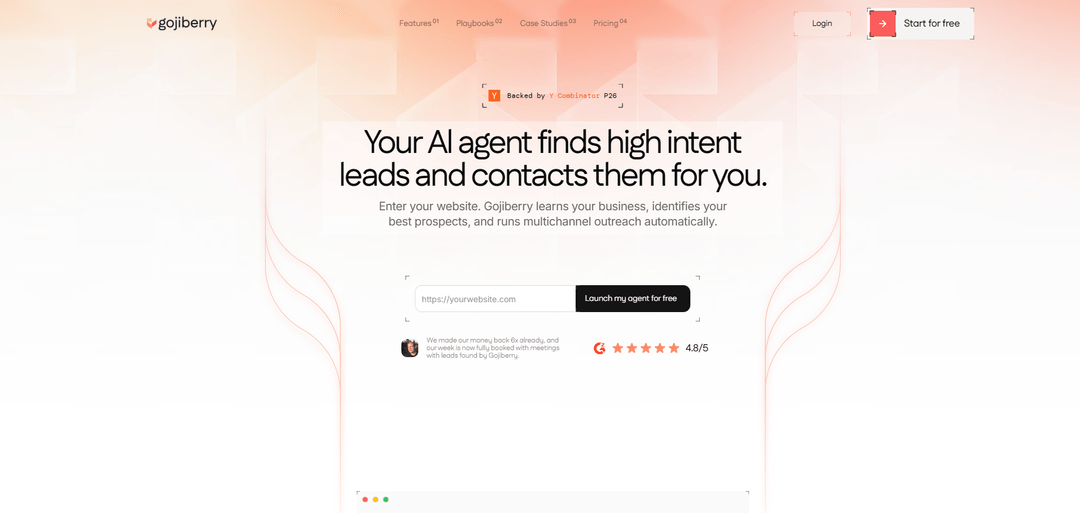
The Pro plan costs $99 a month and includes 2 social senders, unlimited campaigns and the full set of 30+ signals, which covers a founder and one rep without an enterprise contract. Beyond five people there's a custom tier that adds senders and volume, and setup starts with a conversation about your ICP rather than a checkout page.
A message to someone who wrote about your exact problem last Tuesday lands in a different conversation than a connection request sent to a name pulled off a scraped list, and that gap is where the whole product lives: Wispra now sources 60% of its weekly demos from intent signals. What you won't find here is the cheapest way to fire a thousand requests a week, so if raw volume is the plan you're after, Dux-Soup a few rows down will cost you a fraction of this.
2. Waalaxy
Waalaxy is a browser extension for social prospecting, built by a French team and known for a free plan that's usable rather than decorative. It's the softest landing on this list for someone who has never automated anything.
- 🧩Prebuilt sequences: pick a template, drop in a list, and you're running in under an hour.
- 📧Email finder credits: enrich a batch of profiles to add an email step.
- 📊Simple dashboard: acceptance and reply rates per campaign, without the reporting layer you'd never open.
- 🔧CRM sync: push contacts out through native integrations or a webhook.
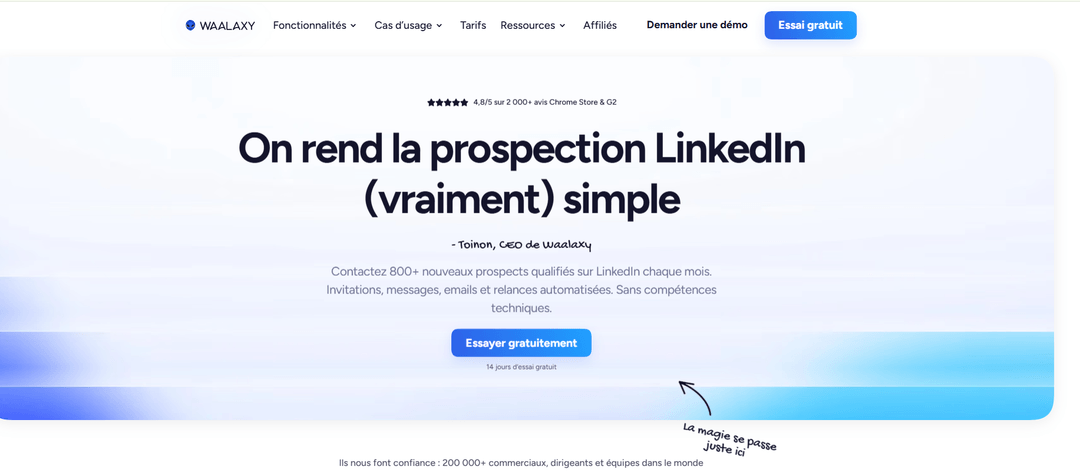
The free tier is real, and paid plans stay in the low double digits per month per seat, which makes it one of the cheapest ways to test whether automation moves anything for you.
What Waalaxy gets right is the absence of a learning curve, and for a founder who has never touched a sequence builder that counts for more than any feature comparison. The catch sits in the architecture: everything runs through an extension on a single channel, so your campaigns depend on a browser session staying open and the email side never stands on its own.
3. Expandi
Expandi is a cloud tool aimed at people who run many accounts at once, which puts it closest to what HeyReach does. Its reputation was built on account safety rather than on features.
- 🔔Dedicated IP per account: each sender runs from its own country matched address.
- 🧭Smart sequences: branch the follow up depending on what the prospect did.
- 👥Multi account management: agencies handle client seats from one place.
- 🔧Webhooks: connect campaigns to the rest of your stack.
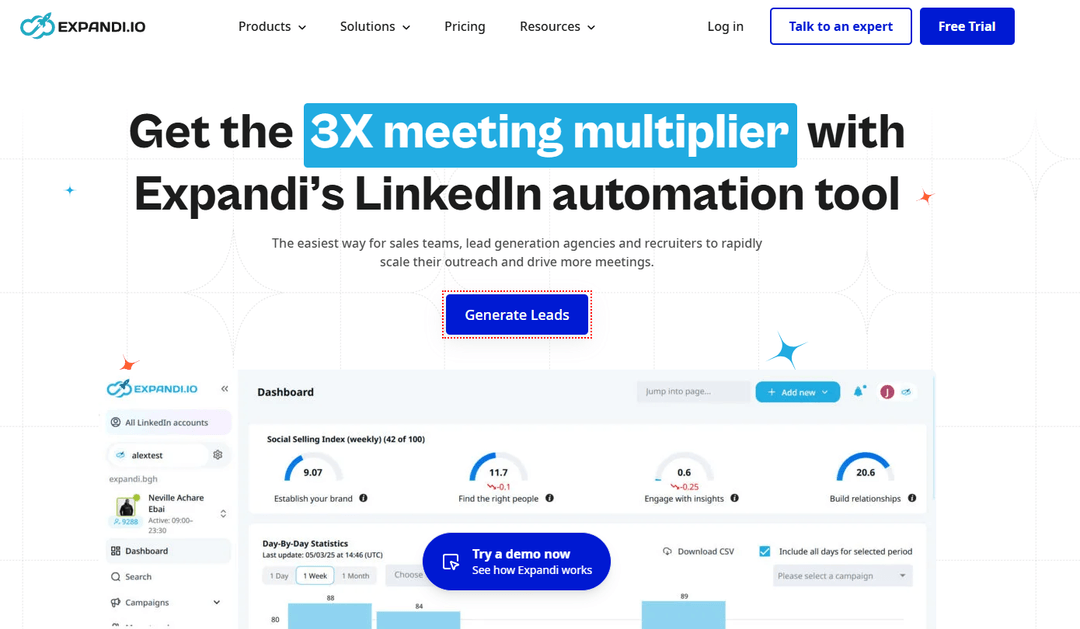
Expect around $99 a month per seat, with agency bundles above that. For a team of three that's roughly $300 before you've added an email tool.
Years of iteration show up in how conservatively it sends, and conservative is exactly what you want when the account at risk belongs to a client who signed a retainer. Where it stops making sense is a small team, because per seat pricing adds up fast and you're still the one deciding, one profile at a time, who deserves a message.
4. Dripify
Dripify sells simplicity: a drag and drop sequence builder, cloud based, with enough reporting for a manager to see who's doing what. It's the tool you pick when the last one felt like a cockpit.
- 🧩Visual drip campaigns: conditions and delays you can set without opening a manual.
- 📊Team analytics: per rep activity and conversion, useful for a small crew.
- 📨Shared inbox: answer replies without leaving the app.
- 🔧Zapier export: move responders into your CRM.
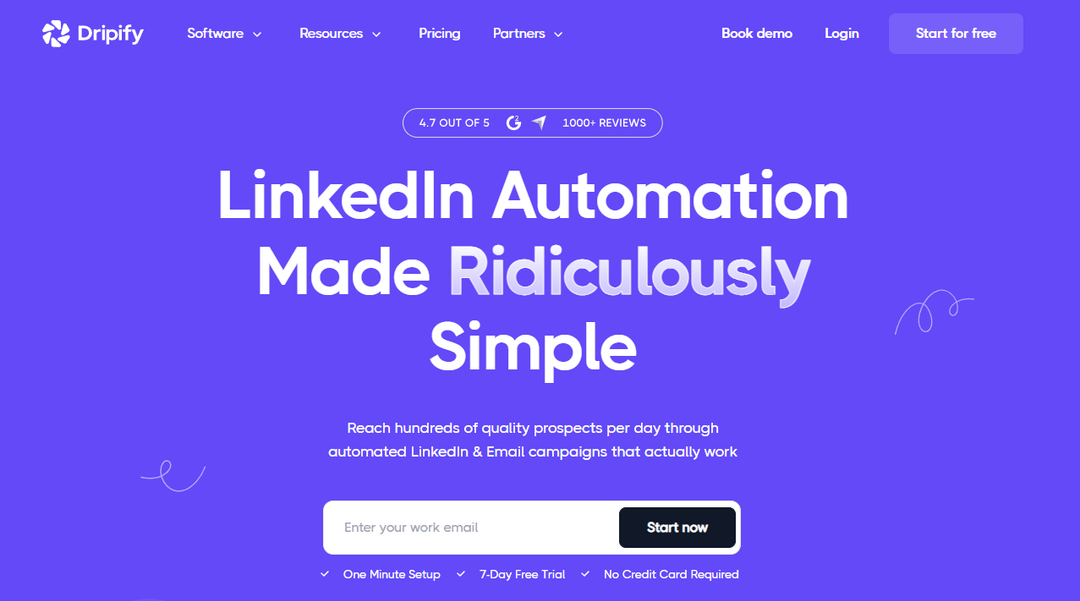
Plans start around $59 a month per user, and the cheapest tier holds back the team features you'd probably want.
A rep who has never run a campaign will be shipping one the same afternoon, which matters in a team that can't spare a week for onboarding. The ceiling arrives quickly though, as soon as you want a sequence that branches on anything more subtle than whether someone answered.
5. Lemlist
Lemlist comes at prospecting from the email side and adds a social step on top, which is the reverse of most tools here. Its personalization features are still the best argument for it.
- 🎨Personalized images and video: insert a visual that carries the prospect's name or site.
- 📧Deliverability warmup: ramp new mailboxes before they send at volume.
- 🧭Multichannel steps: email, social touch and a call task in one sequence.
- 🗃Built in lead database: source contacts without a separate subscription.
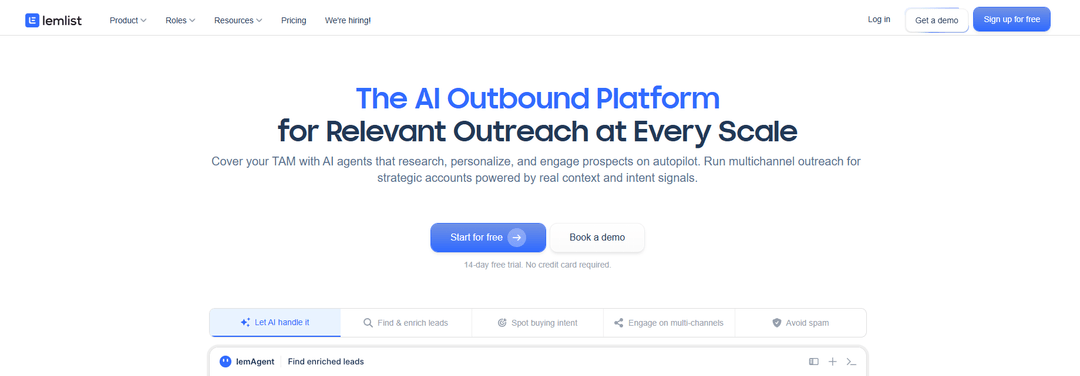
Entry plans sit around $39 a month per user, and the multichannel tiers cost noticeably more once you add the database and the social steps.
Nothing else here works as hard to keep a cold email from reading like a template, and for a team whose pipeline comes entirely from the inbox that alone can justify the invoice. The awkward part is paying every month for a lead database you open twice, and for the fact that the product will happily send at the worst possible moment without warning you.
6. PhantomBuster
PhantomBuster isn't a campaign tool so much as a box of automations you wire together yourself, where each Phantom handles a single job: pulling a list out of a search, enriching a batch of profiles, or pushing the result into whatever comes next. Nothing here runs a campaign for you, it prepares the material one step at a time.
- 🔍Scraping: turn a search or a group into a clean CSV.
- 🧠Enrichment: add emails and firmographics to a raw export.
- 🔧Flows: chain Phantoms so one feeds the next on a schedule.
- 📈API access: plug the output into whatever you already built.
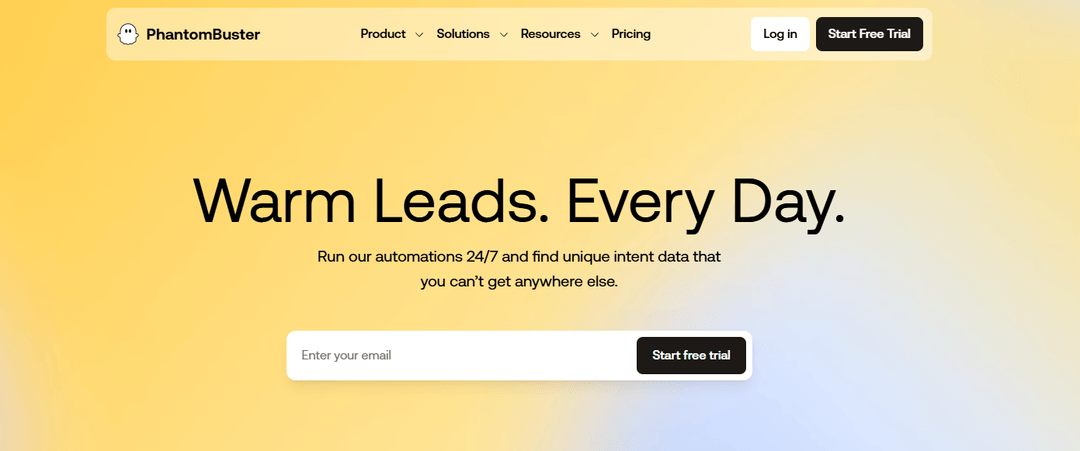
Plans open around $69 a month and are metered in execution time, so a heavy scraping month costs more than a quiet one.
The flexibility is not a marketing claim, and if you can describe a workflow in a sentence you can usually assemble it here in an afternoon. All of it is plumbing though, and someone on your team has to enjoy maintaining plumbing while also carrying a quota, which in a five person company is the same person twice.
7. Dux-Soup
Dux-Soup is one of the oldest tools in this category and by far the cheapest way in. It runs in your browser, which is both the reason it costs so little and the reason it frustrates people.
- 📝Profile visits and follow ups: the classic drip, with delays you control.
- 🗃Tagging and notes: keep a light CRM inside the extension.
- 🔧CSV in and out: your lists go in and come back out, so nothing gets locked inside the tool.
- 💡Turbo tier: adds sequencing and integrations for a bit more.
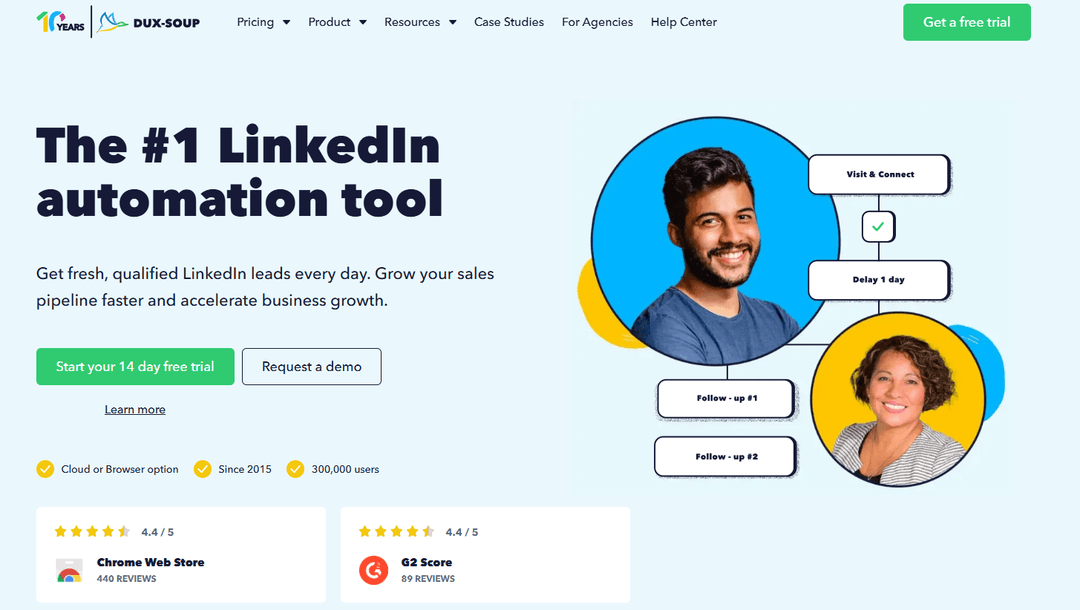
The entry plan is about $15 a month, with the Turbo tier around $55, which makes it the budget answer of the nine.
At fifteen dollars the decision barely needs a spreadsheet, which is why the tool is still standing after all these years. You pay for it elsewhere: your laptop has to stay open for anything to run, and there's no cloud, no email channel and no team layer worth the name.
8. Meet Alfred
Meet Alfred bundles social, email and a few extras into one subscription at a price that undercuts most multichannel tools. It's the budget option for a team that wants more than one channel.
- 🧭Multichannel campaigns: mix social steps and emails in a single flow.
- 📝Template library: a starting point for reps who freeze at a blank page.
- 👥Team management: shared templates and per member limits.
- 📊Campaign reporting: the numbers stay basic, though they carry a weekly review well enough.
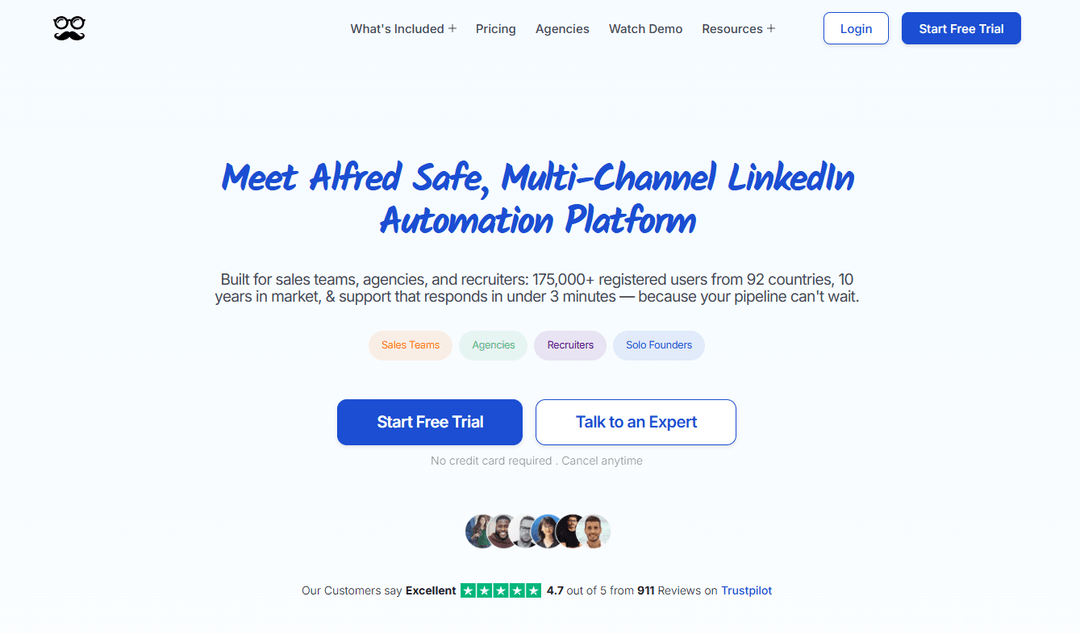
Plans start around $29 a month per user, so three reps land near $87, which is hard to beat for multichannel.
You get more channels per euro than anywhere else here, and for a crew that reviews every subscription line by line that's a real argument. The trade shows up the moment you lean on it, because each channel covers the basics and none of them goes deep enough to let you cancel the specialist tool you were hoping to drop.
9. Smartlead
Smartlead is a cold email platform rather than a social one, and it earns a place here because a good share of the teams leaving HeyReach are trading one channel for another rather than adding a second. Everything in it is designed to let you send at volume without burning the domain you send from.
- 📧Unlimited mailboxes: spread sending across many addresses on one plan.
- 🔥Automatic warmup: included rather than sold as an add on.
- 📨Master inbox: every reply from every mailbox in one thread list.
- 📈Deliverability reporting: spot a domain going bad before it costs you a month.
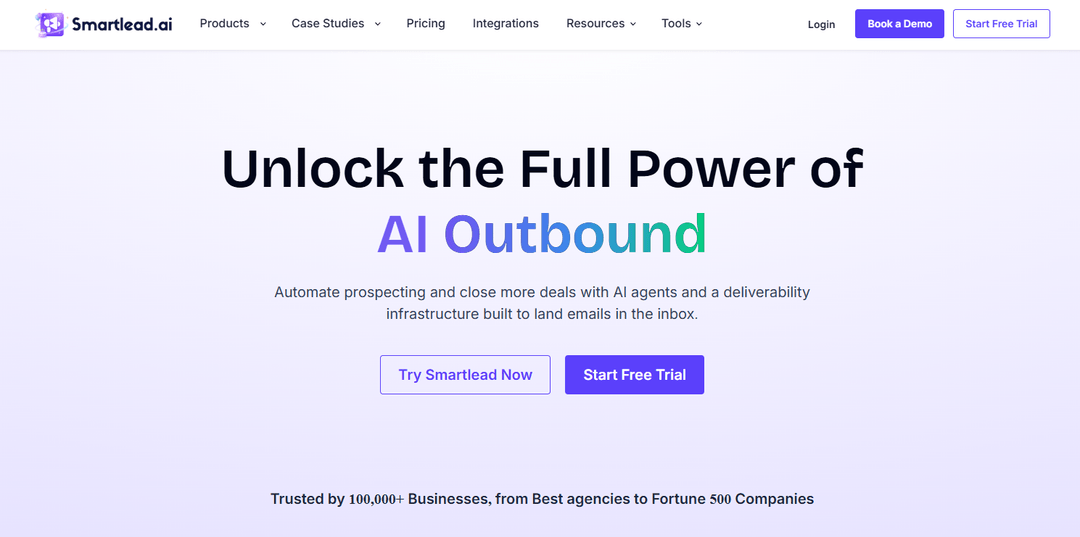
The Basic plan costs about $39 a month and the Pro tier about $94. That's enough to test the thing properly before committing.
Once you're sending at serious volume the cost per message becomes difficult to argue with, and nothing else here competes on that ground. There's no social side to it whatsoever, which makes it a companion to a social tool rather than a straight replacement for HeyReach.
Nine tools, one question none of them answer
They all make you send more. Gojiberry watches 30+ buying signals across socials and the web, then tells you which accounts are worth a message this week. Free to start, $99 a month after that.
Start freeWhat is HeyReach?
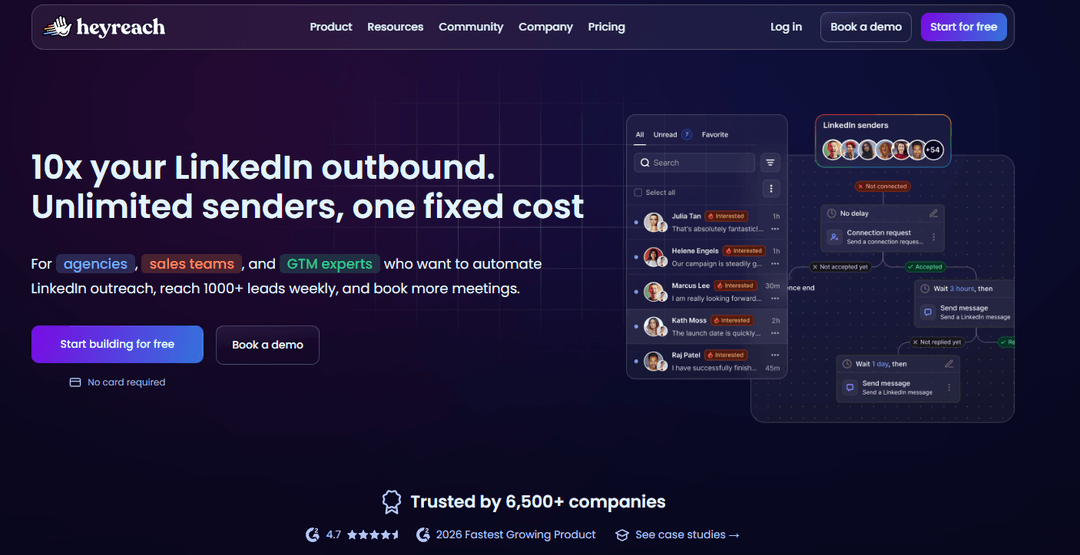
HeyReach is a cloud based social prospecting platform designed around one idea: run many sender accounts from a single place without them stepping on each other. That's an agency problem, and the product is shaped by it. Campaigns are assigned to pools of accounts, replies land in a shared inbox, and each client can be walled off from the next.
What can you do with HeyReach?
- 👥Run campaigns across a pool of accounts: one sequence draws from several senders, which spreads the daily limits.
- 📨Answer from a unified inbox: every reply across every account sits in one list.
- 🧭Separate clients: workspaces keep each account's data and reporting apart.
- 🔧Push data out: native integrations and an API move responders into a CRM.
- 📊Report per campaign and per account: useful when someone else is paying the invoice.
Pros and cons of HeyReach
- Multi account management that holds up at agency scale
- A shared inbox that stops replies from getting lost
- Clean workspaces for client separation
- Solid integrations and an API
- One channel only, so email lives in another subscription
- No buying intent detection, you still pick targets by hand
- Cost climbs with every sender seat you add
- Most of the feature set assumes an agency workflow
How much does HeyReach cost?
The entry plan sits around $79 a month for a single sender seat, and the agency tiers climb into the high hundreds once you're handling dozens of accounts for other people. The pricing is fair for what the product does, it's built around a business model that isn't yours if you're a team of three. Two reps and a founder means three seats, so roughly $237 every month for social outreach and nothing else.
What do HeyReach users think?
The public feedback is consistent enough that summarizing it doesn't require cherry picking. Agencies come back to the account pooling and the shared inbox, and support gets mentioned kindly more often than it does for most tools in this category. The recurring complaints follow the shape of the product: one channel, and a bill that grows with every seat a small team adds. Nobody complains about the missing intent detection, because the product never claimed to offer any.

More High-Intent Leads = Your New Growth Engine.
Start Now and Get New High Intent Leads Delivered Straight to Slack or Your Inbox.